What localisation actually means?
Localisation is not translation. Translation converts words. Localisation adapts how a brand expresses itself so it reads as intended in a different context.
A useful split: positioning, personality and promise stay constant. Language, imagery, colour application, tone calibration, typography and channel mix adapt. If positioning changes by market, you have a portfolio of separate brands rather than one brand operating in several places.
Why Southeast Asia is harder than most regions?
Southeast Asia is not one market. It is eleven countries with different languages, scripts, religions, regulatory environments and platform ecosystems, sometimes within a few hundred kilometres of each other.
Singapore alone has four official languages. Indonesia is the region’s largest market by population and runs on different social platforms from its neighbours. Vietnam and Thailand each have their own script with distinct typographic requirements. Malaysia’s market splits along language and cultural lines internally.
A campaign built for one market and rolled out across the region without adaptation will underperform in most of them.
What changes by market?
| Element | Adapt or Hold | Note |
| Positioning | Hold | If this changes, it is a different brand |
| Brand promise | Hold | Consistency here is what makes a brand travel |
| Personality | Hold, calibrate expression | The trait stays, the volume changes |
| Language | Adapt | Native writing, not translation |
| Typography | Adapt | Script requirements differ substantially |
| Colour application | Adapt | Meaning and association vary by market |
| Imagery and casting | Adapt | Representation matters and is noticed |
| Platform mix | Adapt | Dominant platforms differ by country |
| Formality of tone | Adapt | Register expectations vary widely |
The four most common failures
Translating rather than writing. Translated copy carries the sentence structure of the source language. Native readers notice immediately, and it signals the brand did not think the market was worth the effort.
Designing at one copy length. Copy length changes substantially between languages. Layouts that only work at English length break when copy is replaced, then get rebuilt badly under time pressure.
Assuming platform equivalence. Reach, format and reading behaviour differ across the platforms that dominate each market.
Adapting positioning instead of expression. When a brand changes what it stands for by market, it loses the thing that made it worth building. Adapt how you say it, not what you are.
A practical sequence
Document the brand system first, including what is fixed and what is adaptable. Without that document, every market makes its own decisions and the brand fragments within a year.
Then, per market: review positioning fit, commission native language writing rather than translation, review imagery and colour against local convention, rebuild layouts to actual copy length, and have someone in-market review before launch.
The in-market review is the step most often skipped and the one that catches the errors that matter.
Where BrandsBuilder Studio fits?
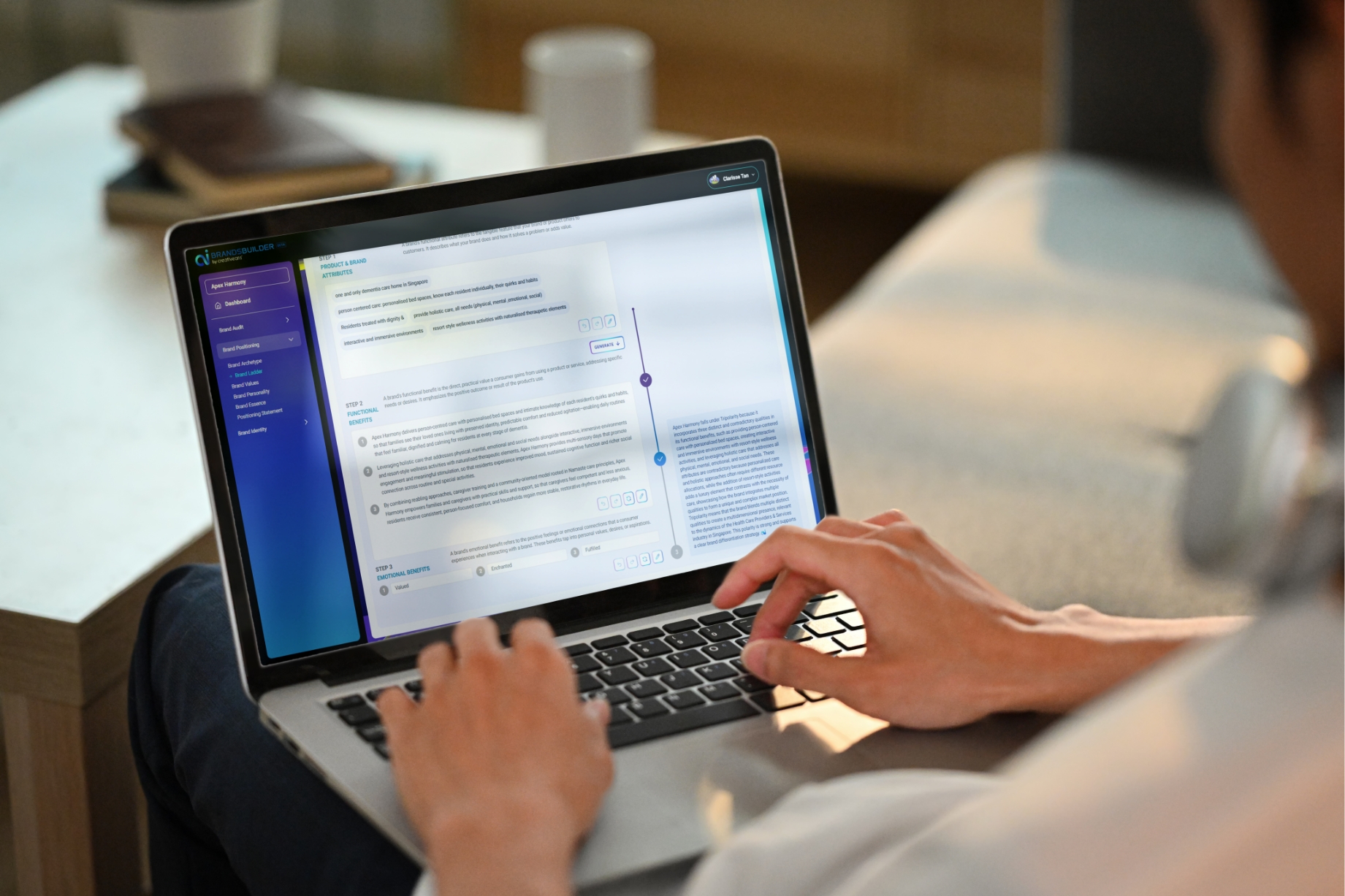
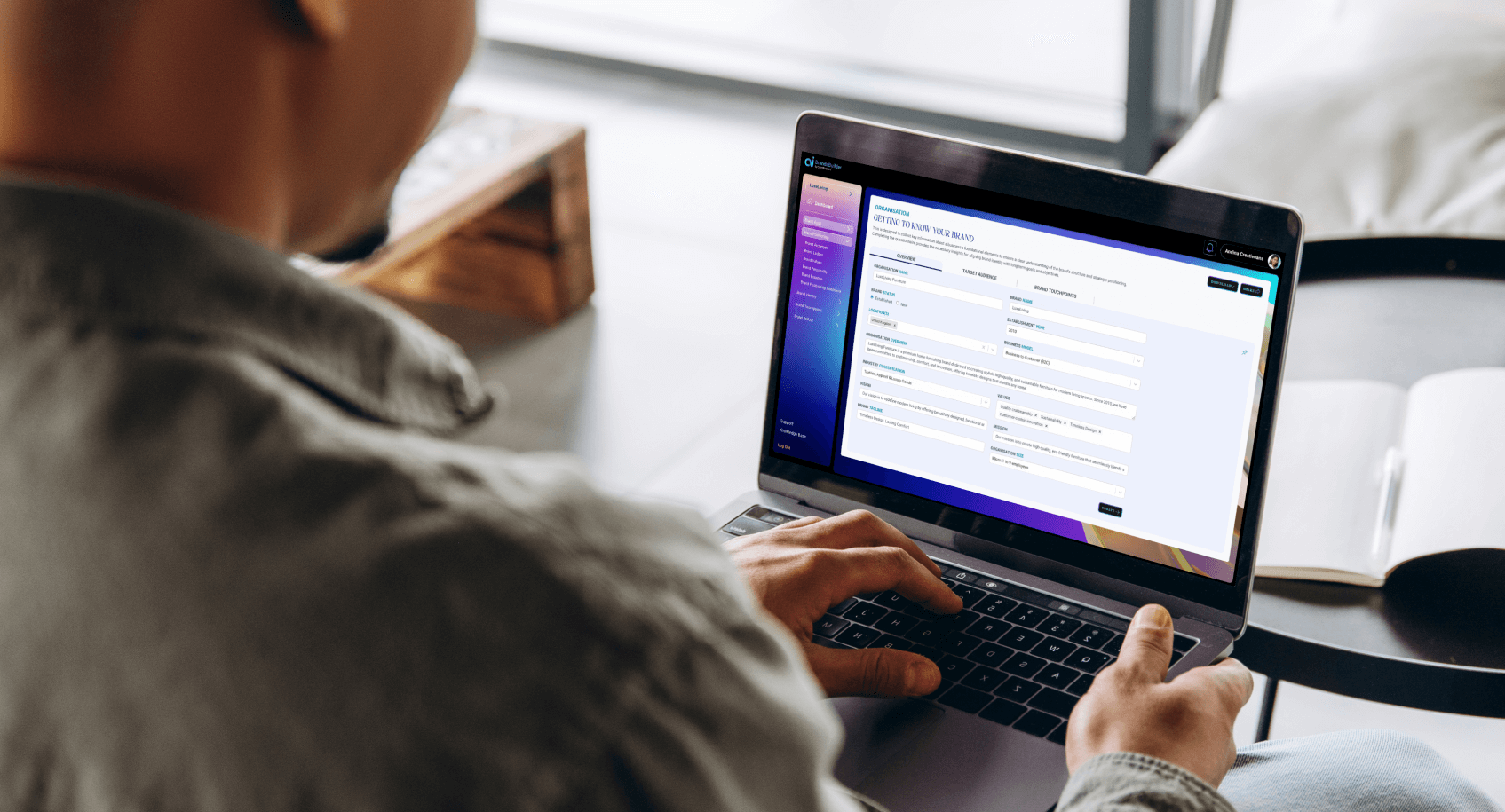
Studio starts by defining the brand system, which is the first step in the sequence above and the one most localisation projects skip. Orka AI generates positioning, identity direction and tone of voice on the BrandBuilder methodology, developed across 282 brand transformations since 2012. That system then governs every market adaptation rather than each market improvising.
Where Studio is the wrong choice: if you only need translation and asset resizing against an existing documented system, a production service will do that faster and for less.
Frequently Asked Questions
Translation converts words between languages. Localisation adapts the whole expression, including imagery, colour, typography, tone and platform, so the brand reads as intended in that market.
No. Positioning should hold across markets. Expression adapts. If positioning changes, you are running separate brands and losing the compounding value of one.
It depends on your markets. Singapore commonly needs English, Chinese, Malay and Tamil. Regional operations typically add Bahasa Indonesia, Thai and Vietnamese.
Yes, if designed for it. That means defining what is fixed and what is adaptable at the outset, and building layouts and typography that accommodate different scripts and copy lengths.
Treating it as a translation task handled at the end. By that point layouts, imagery and tone were built for the source market, and adaptation becomes rework rather than design.