
What changed at Design Pickle?
Design Pickle created the flat-fee unlimited design category. In 2025 it moved away from it.
Under the current model, platform access is billed separately from production. You buy design output as daily creative hours, with higher commitments adding production coordination and art direction. Published comparisons put the entry point for actual production at around US$1,918 a month, considerably above the flat-fee plans it replaced.
The strategic read matters more than the numbers. The company that invented flat-fee unlimited concluded the model did not work at scale. Anyone still selling unlimited flat-fee design is running a model its originator abandoned, which is worth weighing when you compare.
Design Pickle alternatives compared
| Service | Entry price | Model | Dedicated designer | Brand strategy |
| Penji | US$499 / month | Unlimited requests, sequential queue | Higher tiers only | Not included |
| ManyPixels | Published on site | Flat monthly, stated daily output | Yes, designated plan | Not included |
| Kimp | Published on site | Flat monthly, graphics plus video | Assigned team | Not included |
| Awesomic | Published on site | Matched designer | Yes | Not included |
| BrandsBuilder Studio | S$2,400 / month (about US$1,790) | Monthly subscription, tiered | Yes, all tiers | Included: audit, positioning, identity direction, tone of voice |
| Design Pickle | Platform fee plus daily creative hours |
Hours-based billing | Yes, at higher hours | Not included |
| Superside | Published on site | Enterprise subscription | Team, not individual | Creative strategy at enterprise tiers |
Prices verified [DATE].
What the hours model gets right?
Billing by hours is more honest than unlimited. You know what you are buying, capacity is explicit, and neither side has an incentive to manage the queue against you.
The trade is predictability. A flat fee is easier to budget. Hours require you to forecast demand, and unused hours are a real cost.
How to compare across different pricing models?
The category now runs at least four models: flat-fee unlimited, stated daily output, banked hours, and tiered monthly volume. Headline prices are not comparable across them.
A workable method: take your actual design volume from the last three months, count deliverables by type, and price that same volume under each model. The cheapest headline rarely stays cheapest once real volume is applied.
Where BrandsBuilder Studio fits
Studio uses tiered monthly subscription pricing from S$2,400 a month, about US$1,790, which sits below Design Pickle’s current production entry point.
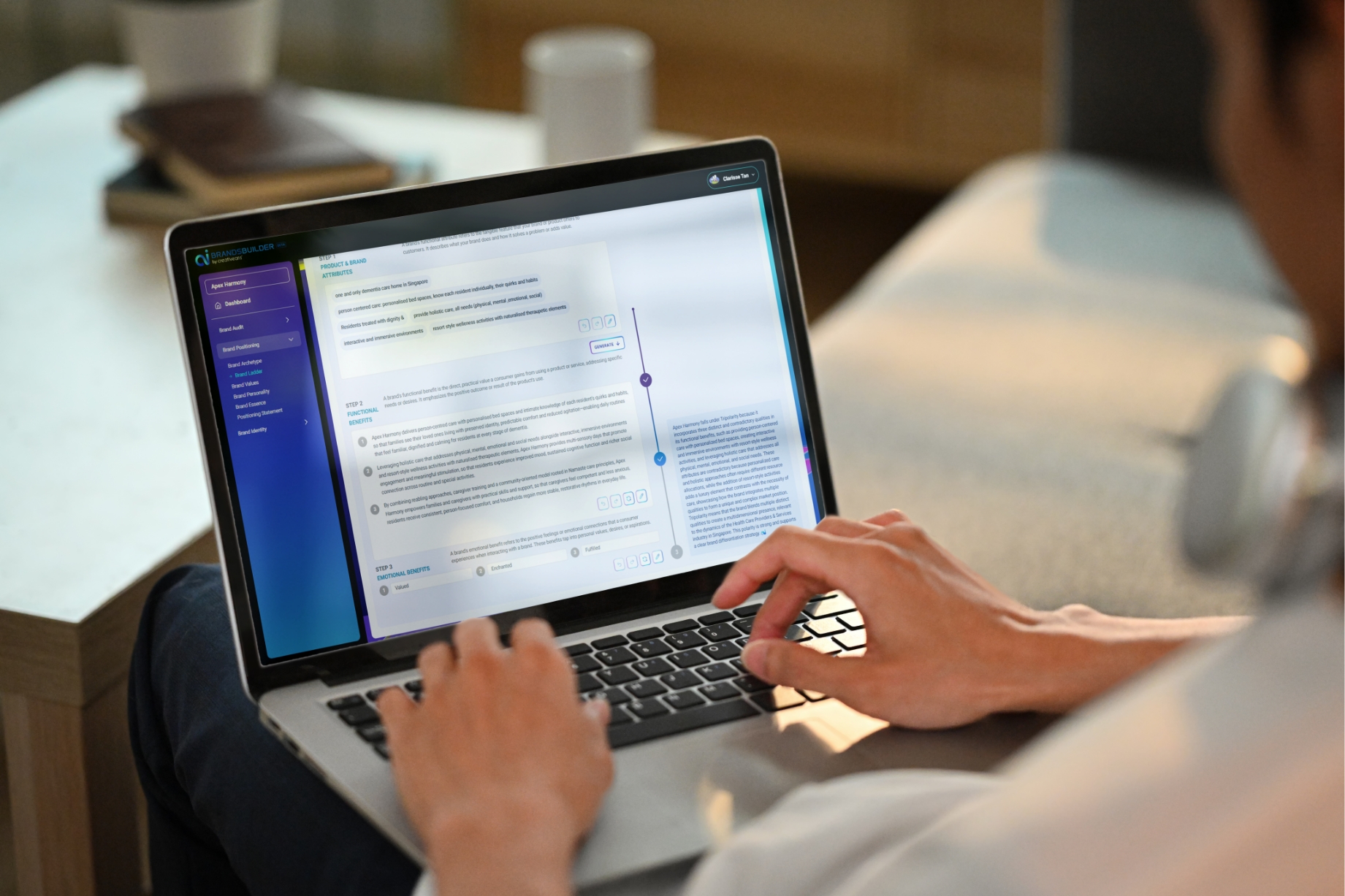
The larger difference is what is included. Design Pickle bills for designer time. Studio includes the brand strategy that directs how that time is spent: a brand audit, positioning, identity direction and tone of voice generated by Orka AI on the BrandBuilder methodology, refined across 282 brand transformations since 2012. Buying hours assumes you already know what to brief. Studio is built for when you do not.
Where Studio is the wrong choice: if you have a documented brand system and need raw production capacity at volume, hours-based or throughput-optimised services will be more efficient. Studio is also not built for organisations that want to buy design time and direct it entirely themselves.
Frequently Asked Questions
It moved from flat-fee unlimited to creative hours in 2025. Flat-fee unlimited is structurally difficult to sustain, because cost scales with usage while revenue does not.
A unit of designer time purchased per day. Two hours a day is roughly one deliverable of moderate complexity, though this varies with the work.
No. Every service caps output through the queue, active project limits, or a stated daily figure. Unlimited refers to submissions, not delivery.
Hours suit varied work where you direct the priorities yourself. Monthly tiers suit predictable volume. If you are unsure what to brief, neither model helps, and a service that includes strategy is the better fit.